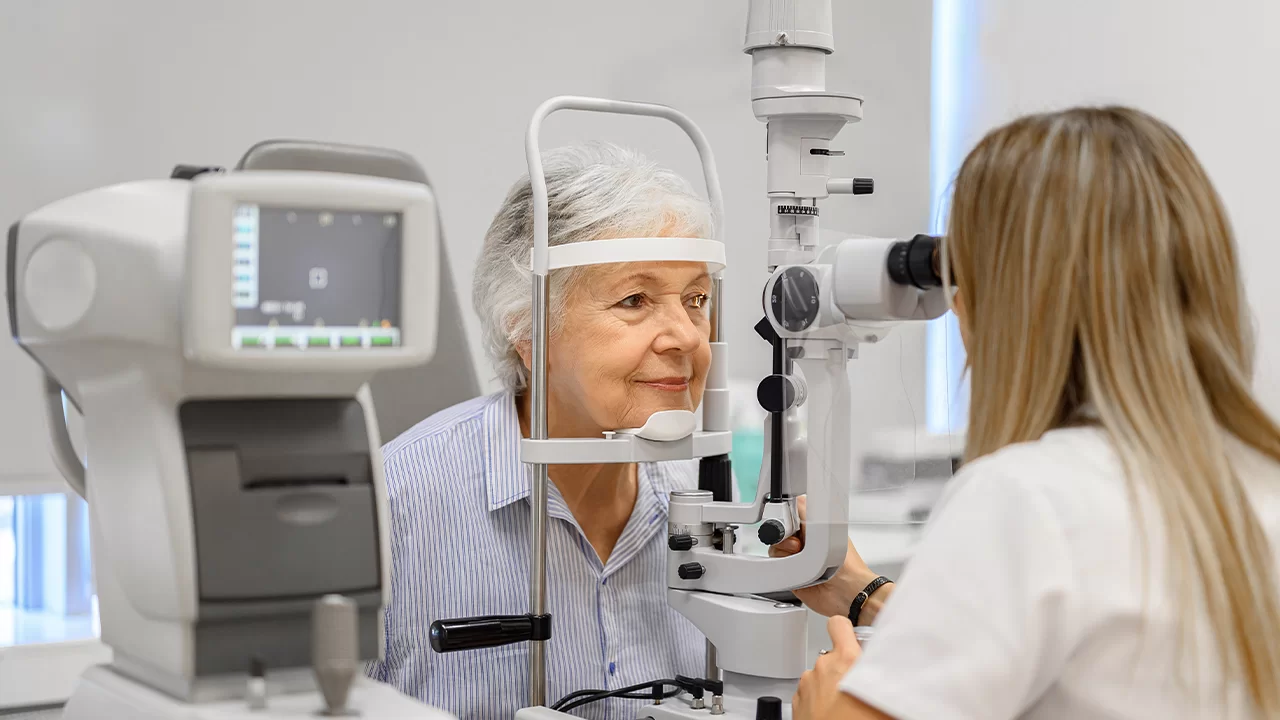
The human eye functions similarly to a perfect camera. Right behind the iris (the colored part of our eye), there is an entirely transparent, flexible, and crystalline "natural intraocular lens" that refracts incoming light rays and focuses them onto the retina (the visual center).
In a healthy eye, the "natural intraocular lens" located right behind the iris refracts incoming light rays so they fall clearly onto the retina. To perform this function, the lens must be completely transparent and clear, like clean glass.
In a healthy eye, the natural intraocular lens located right behind the iris refracts light and focuses it onto the retina. This lens is protected within a transparent and highly sensitive capsule (membrane).
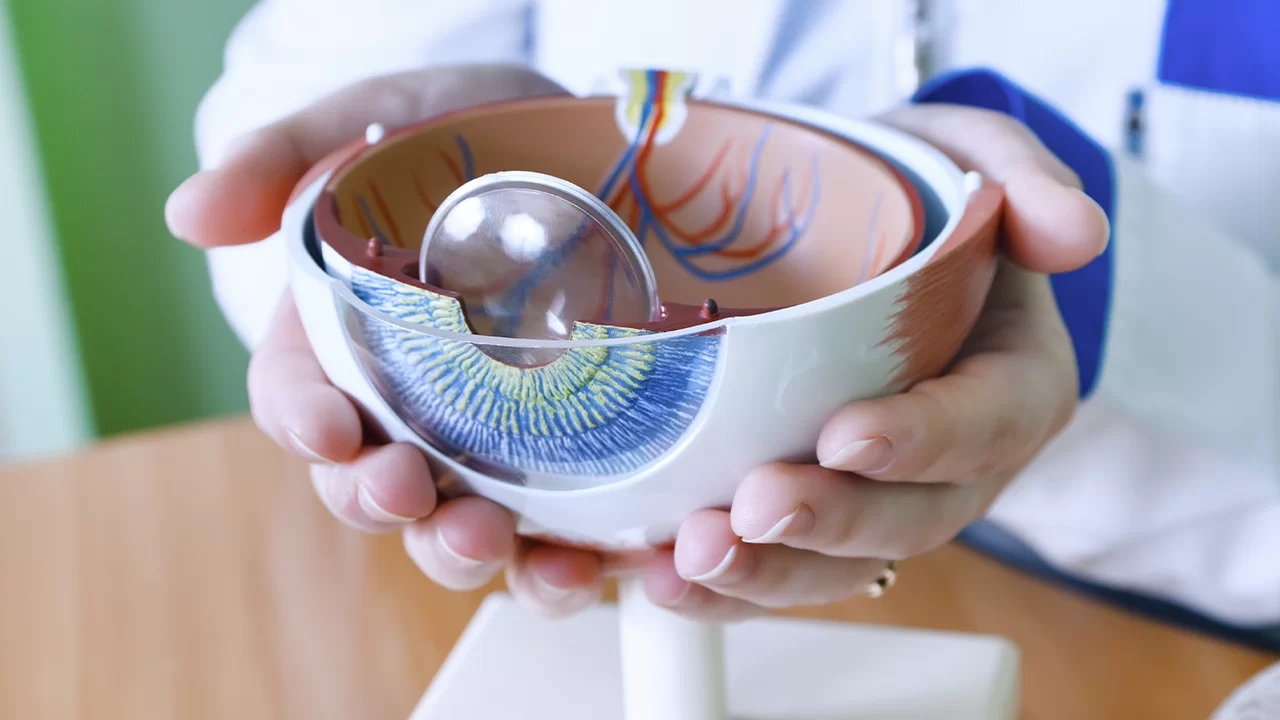
Secondary Intraocular Lens Applications (Scleral-Sutured)
In a standard cataract surgery (Primary Lens Application), the opaque natural lens is cleared using ultrasonic waves, but the outer membrane (capsule) is left in place. The artificial lens is then tucked into this natural "pocket."
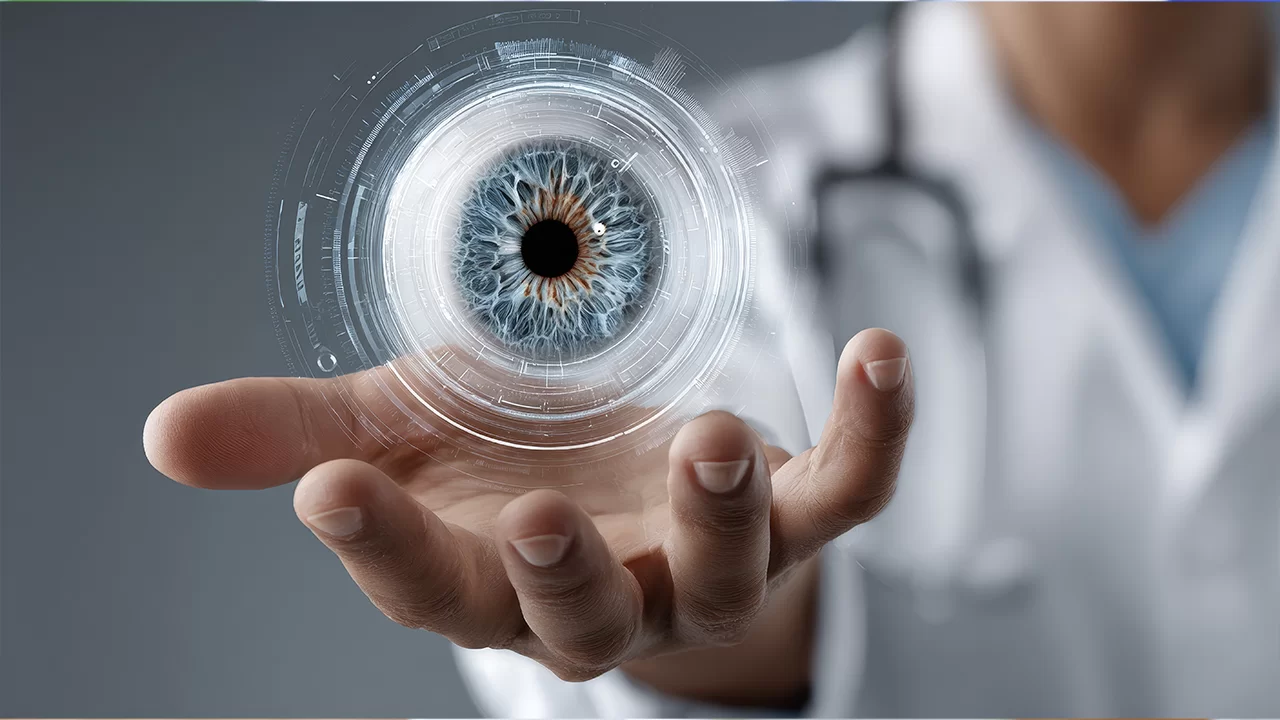
Multifocal Intraocular Lens Applications (Distance, Intermediate, and Near Vision)
In youth, the natural lens inside our eye acts like an autofocus motor. When we look at distance, near, or intermediate ranges, it instantly changes shape (flexes) to focus the image clearly onto the retina.
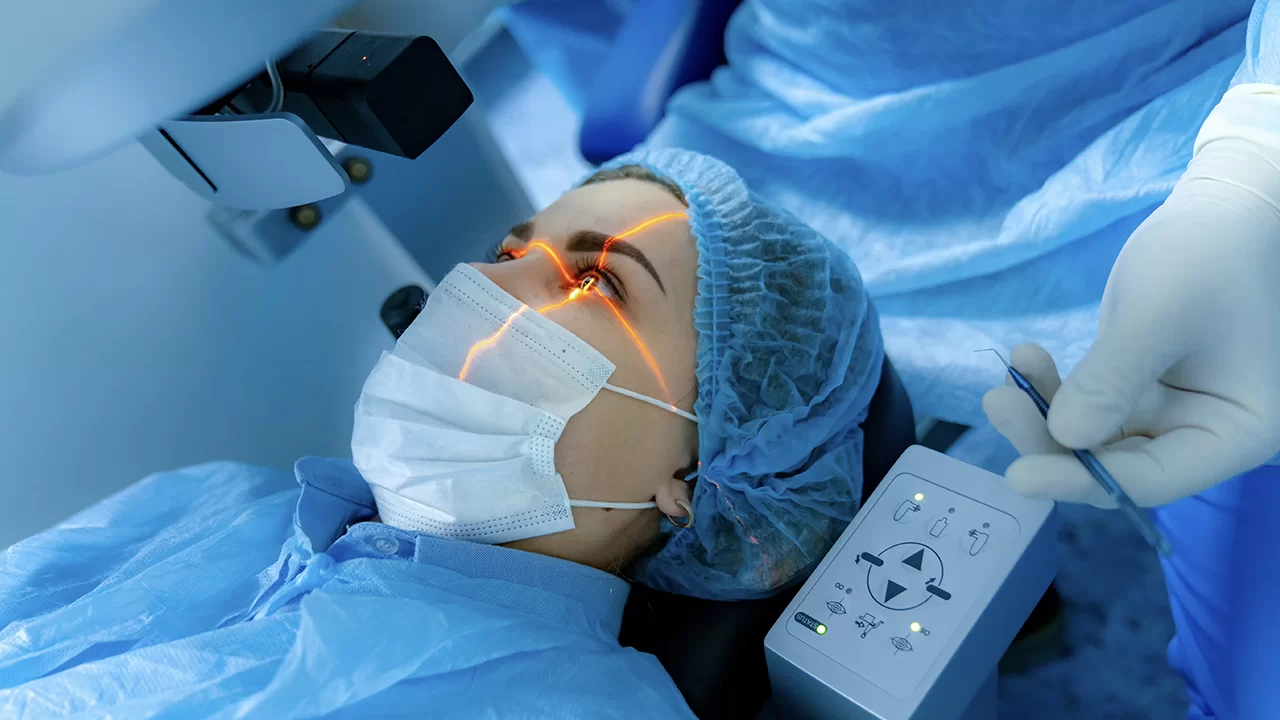
YAG Laser Capsulotomy (Secondary Cataract Treatment)
During cataract surgery (the PHACO method), your natural lens is removed, but the transparent "capsule" that surrounds it is intentionally left in place. This clear back wall acts like a thin membrane, providing vital support to keep your new Artificial Intraocular Lens (IOL) perfectly in its housing.